

Join the Kentucky Academy of Physician Assistants for our 50th Annual CME Symposium on October 15-16th, 2026 (Thursday and Friday)
KAPA 50th Annual CME Symposium Revised Presenter & Session Synopses
October 15–16, 2026 – Virtual
October 15 - Day 1

8:00 AM
GLP-1 Receptor Agonists in the Treatment of Obesity
Presenter(s) Dr. Grant Turley, DO, DABOM, is a family physician specializing in obesity medicine and serves as Associate Program Director and Director of Obesity Medicine at the University of Louisville–Owensboro Family Medicine Residency Program. He developed and leads the program’s Obesity Medicine Specialty Track, which prepares graduating residents for board eligibility in obesity medicine.
Session Overview Obesity is a chronic disease with complex pathophysiology and an expanding range of pharmacologic treatment options. This session reviews GLP-1 receptor agonists and related medications, including current therapies, emerging treatment options, and their role in medical management of obesity. Attendees will develop a stronger understanding of obesity as a chronic disease and review practical considerations for discussing and prescribing these medications. Participants will leave better prepared to counsel patients and incorporate evolving obesity pharmacotherapy into clinical practice.

9:00 AM
Head to Head: Navigating Cognitive Changes
Presenter(s) Amber Davis, PA-C, brings a decade of internal medicine experience across inpatient and outpatient settings, with interests in chronic disease management and prevention. Dr. Erin Weinisch, PA-C, EdD, has practiced across multiple specialties, including 10 years in neurosurgery, and has served as a didactic director at South College and Emory University’s PA program after earning her doctorate in education.
Session Overview Cognitive changes involving memory, thinking, and behavior can arise from a wide range of conditions and present diagnostic and management challenges. This session reviews approaches to the diagnosis, prevention, and treatment of common disorders affecting cognition while emphasizing practical clinical decision-making. Attendees will explore strategies for distinguishing among complex cognitive conditions and applying evidence-based approaches across the continuum of care. Participants will leave with a practical framework they can use when evaluating and managing patients with cognitive concerns.
10:00 AM
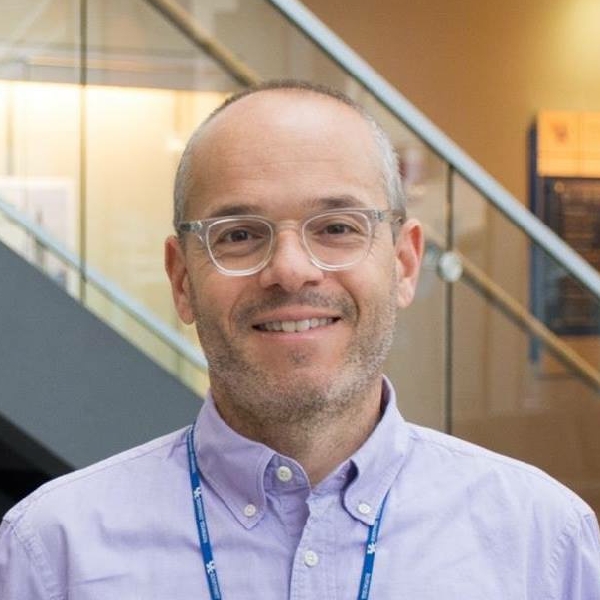
A Pharmacology Refresher - Clinical Pearls for PAs
Presenter(s) Dr. Frank Romanelli, PharmD, MPH, is the Paul F. Parker Endowed Professor of Pharmacy, Associate Dean for Academic Programs, and Chief Academic Officer for the University of Kentucky College of Pharmacy. He is board certified in pharmacotherapy and an HIV pharmacist, and his career includes extensive clinical education, scholarship, editorial leadership, and national recognition for teaching excellence.
Session Overview Rapid changes in pharmacotherapy make it challenging for practicing clinicians to maintain both foundational knowledge and familiarity with new and evolving medications. This session provides a just-in-time review of core clinical pharmacology principles before moving into a clinical-pearls review of new and existing drugs. Attendees will revisit key pharmacology concepts and examine medication-related topics with direct relevance to clinical practice. Participants will leave with practical pharmacology pearls they can apply when evaluating and managing patients.

11:00 AM
Witnessing Well: Mastering the Art of the Exit and the Power of Calm
Presenter(s) Tracey Piparo, PA-C, CAQ-PMHC, DFAAPA is the immediate past president of PAHPM and has 25 years of clinical experience. She focuses her work and education on advance care planning, serious illness communication, advocacy, and end-of-life care.
Session Overview End-of-life care requires clinicians to recognize changes in a patient’s condition, communicate clearly with patients and families, and provide appropriate symptom management. This session explores the challenges and opportunities of the dying process, including recognizing signs of transition and providing effective anticipatory counseling. Attendees will review evidence-based symptom management and foundational palliative care techniques while considering strategies that support clinicians and colleagues through these difficult moments. Participants will leave with greater confidence and practical communication and care strategies for supporting patients and families at the end of life.

1:00 PM
Addressing Stigma when Serving Patients with Substance Use Histories
Presenter(s) Dr. Glenn Sterner, PhD, is an associate professor of criminal justice in the University of Kentucky College of Social Work whose work addresses the intersection of criminal justice and public health, including substance use in communities. Dr. Alex Elswick, PhD, is an Associate Extension Professor at the University of Kentucky, where he leads statewide initiatives focused on substance use prevention, treatment, and recovery.
Session Overview Stigma surrounding substance use histories and substance use disorders can create barriers to care, including delayed care seeking, withdrawal from treatment, and difficulty adhering to care plans. This session examines how stigma can be communicated through clinical language, electronic communications, policies, and clinician demeanor, drawing on scholarly work examining provider language, perspectives on lived experience, and stigma surrounding medications used to treat substance use disorders. Attendees will explore how these factors can affect patient interactions and the delivery of care. Participants will leave with resources and practical strategies for recognizing bias and reducing stigmatizing interactions in clinical practice.

2:00 PM
Artificial Intelligence in Psychiatry: What It Is, What It Isn’t, and Why It Matters
Presenter(s) Dr. Kyle R. Henneke, MD, MPH, is a PGY-4 psychiatry resident at the University of Kentucky with training spanning medicine, public health, emergency medicine, and inpatient psychiatry. His professional interests include integrating technology and systems-based approaches into mental health care.
Session Overview Artificial intelligence is increasingly being incorporated into mental health care, yet clinicians may lack a shared framework for understanding how modern AI systems work, where they perform reliably, and how their outputs differ from human clinical reasoning. This session reviews foundational AI concepts, applications in psychiatry and mental health, and emerging evidence regarding large language models, AI companions, bias, and governance. Attendees will also consider implications for mental health education, clinical practice, and the environmental and systems-level effects of expanding AI use. Participants will leave with a clinician-centered framework for engaging with AI thoughtfully, responsibly, and without undue fear or uncritical adoption.
3:00 PM
From Clinician to Changemaker: The Leadership Journey of a PA
Presenter(s) Dr. Jennifer L. Barnett, DMSc, PA-C, MPAS, DFAAPA, CPHQ, SFHM, is a nationally recognized speaker, hospital medicine leader, and educator with more than 20 years of clinical and leadership experience. Her work focuses on trauma-informed care, leadership development, quality improvement, and high-performing interdisciplinary teams, with an emphasis on translating evidence into practical strategies that improve outcomes, strengthen team-based care, and foster cultures of safety, empathy, and innovation.
Session Overview Physician associates have opportunities to influence healthcare well beyond individual patient encounters, from improving clinical workflows and serving on committees to leading professional organizations and advocating for policy change. This session explores practical approaches to developing leadership skills, building influence, and translating everyday clinical experiences into organizational improvement and legislative advocacy. Drawing on real-world examples from hospital medicine, quality improvement, PA leadership, and health policy advocacy, attendees will learn strategies for identifying leadership opportunities, building stakeholder relationships, communicating effectively with decision-makers, and overcoming common barriers such as limited formal authority and competing priorities. Participants will leave with a practical roadmap for identifying an opportunity to lead, influencing change without relying on positional authority, communicating the value of PAs, and developing an individualized plan for advocacy at the local, state, or national level.

4:00 PM
Beyond Survival: Post-Intensive Care Syndrome and the ICU Recovery Clinic
Presenter(s) Dr. Anna G. Kalema, MD is an Associate Professor of Pulmonary and Critical Care Medicine and Assistant Chief Medical Officer at UK HealthCare. Her work focuses on post-intensive care syndrome, ICU recovery, patient safety, and advancing multidisciplinary critical care delivery.
Session Overview Improved survival after critical illness has created a growing population of ICU survivors who may experience persistent physical, cognitive, and psychological impairments known as Post-Intensive Care Syndrome (PICS). These problems can affect quality of life, return to work, and healthcare utilization while remaining unrecognized after discharge. This session reviews the clinical manifestations and risk factors for PICS and examines the role of ICU recovery clinics in supporting long-term recovery. Using the University of Kentucky’s ICU Recovery Clinic as an example, attendees will learn practical approaches to recognition, transitions of care, and multidisciplinary follow-up that can be incorporated into practice.
October 16 - Day 2, Track 1
8:00 AM
The Integrative Medicine Conversations Patients Are Already Having
Presenter(s) Dr. Erin E. Chalmers, DMSc, PA-C, DFAAPA, is the Associate Program Director at Sullivan University PA Program, a practicing PA, published author, textbook contributor, and national speaker. Her work focuses on PA education, evidence-based practice, and integrative medicine.
Session Overview Patients increasingly use complementary and integrative therapies, sometimes without discussing them with their healthcare providers. This session provides a practical framework for evaluating evidence, identifying safety concerns, recognizing common drug–supplement interactions, and communicating with patients about these therapies without judgment. Attendees will consider how to distinguish evidence-informed recommendations from therapies with limited support while maintaining trust and shared decision-making. Participants will leave with practical strategies for discussing complementary and integrative therapies and supporting safer, evidence-informed patient choices.

9:00 AM
Evaluating GLP-1 Receptor Agonists as a Preventive Therapy for Chronic Migraine
Presenter(s) Mingxi (Daisy) Zhang, PA-C, is presenting a review of emerging evidence on the use of GLP-1 receptor agonists for chronic migraine prevention, with a focus on the pathophysiologic rationale, clinical evidence, and potential role of these therapies in patients with migraine and metabolic dysfunction.
Session Overview Chronic migraine is a disabling neurologic disorder, and some patients continue to experience inadequate control, poor tolerability, or treatment discontinuation with existing preventive therapies. This session examines the emerging rationale for GLP-1 receptor agonists as a potential migraine-prevention strategy, including proposed neuroprotective, anti-inflammatory, and analgesic mechanisms. Attendees will review early clinical findings and the current limitations of the evidence, including small study populations, short follow-up, and the lack of randomized controlled trials. Participants will leave with an understanding of where this emerging therapy currently fits in the evidence landscape and how to discuss its potential role in clinical practice.

10:00 AM (Both Tracks)
KEYNOTE- Beyond the Bedside: Building Influence Through Leadership, Advocacy, and Professional Identity
Presenter(s) Dr. Marilyn Suri, DMSc, PA-C, is a pulmonary/critical care clinician, healthcare executive, educator, and national speaker who serves as COO of a multi-site critical care practice and leads legislative and advocacy initiatives for the PA profession. Dr. Raquelle Akavan, DMSc, PA-C, is an educator and national PA leader who serves as Assistant Professor and Director of Advancement and Engagement for the University of Lynchburg Doctor of Medical Science program and founded PA Moms, while remaining active in PA advocacy and professional leadership.
Session Overview The PA profession increasingly includes healthcare executives, educators, board members, legislators, and policy advocates, creating opportunities for clinicians to influence systems beyond direct patient care. This session explores the relationship among professional identity, leadership development, and legislative advocacy, drawing on experiences in critical care, healthcare administration, education, and professional leadership. Attendees will examine practical ways to identify leadership opportunities, communicate professional value, and engage in state and national advocacy. Participants will leave with actionable tools and a roadmap for building professional credibility and pursuing greater organizational and legislative impact.
11:00 AM (Both Tracks)
KAPA Annual Membership Meeting
Presenter(s) Manpreet Datta, PA-C, KAPA President, alongside KAPA Board of Directors and Committee Chairs will provide an overview of the Kentucky Academy of PAs’ activities and progress over the past year.
Session Overview The annual membership meeting provides members with an update on KAPA’s accomplishments, milestones, and ongoing work throughout the past year. Attendees will review key legislative and advocacy efforts, educational initiatives, membership growth, upcoming events, and opportunities for member involvement. The session will also introduce KAPA’s strategic goals for the coming year, with emphasis on advocacy, professional development, and community outreach. Participants will leave informed about KAPA’s direction and equipped with opportunities to become more actively involved in advancing the organization’s mission and the PA profession in Kentucky.
1:00 PM
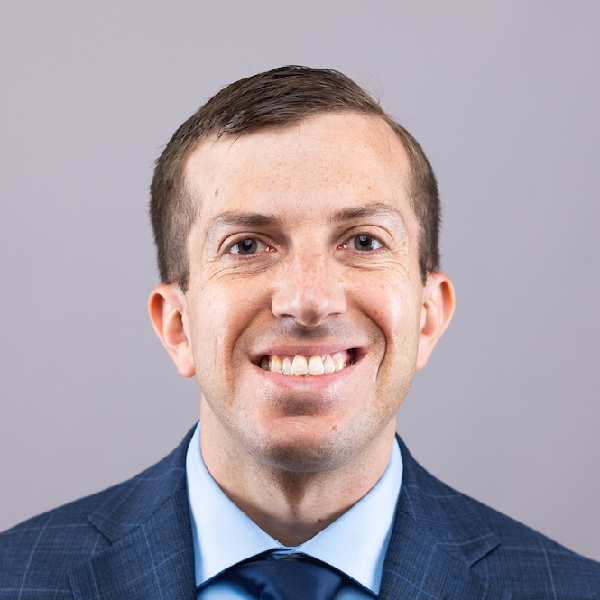
How Clinicians Actually Use AI: Variability, Uncertainty, and the Future of Clinical Reasoning
Presenter(s) Dr. Ryan Hunton, DHSc, PA-C, is an Assistant Professor at the University of Kentucky with experience in clinical practice, military service, and academia. His research focuses on artificial intelligence and its potential to enhance clinical reasoning and decision-making.
Session Overview Large language models are increasingly available to clinicians as real-time tools during diagnostic and management uncertainty, but their effects vary across models, users, and clinical decisions. This session reviews emerging evidence on how clinicians actually use AI, including findings from the AI-Clinician Reasoning Project and the LLM branch of the Differential Diagnosis Project. Attendees will examine differences in how clinicians use AI for diagnostic reasoning and management validation, along with vulnerabilities involving prompt construction, output appraisal, and clinical context. Participants will leave with a practical framework for safer, more reflective, and accountable integration of AI into clinical practice, education, and institutional governance.

2:00 PM
Understanding the Assignment: Nuanced Drug Selection and Safe Opioid Conversions
Presenter(s) Dr. Emily Frederick, PharmD, BCPS, is an Associate Professor and Director of Student Affairs at Sullivan University College of Pharmacy and Health Sciences, with more than a decade of internal medicine practice and teaching experience in pain management. Dr. Emily Jones, PharmD, BCPS, is an Assistant Professor at Sullivan University College of Pharmacy and Health Sciences with prior internal medicine clinical pharmacy experience and postgraduate training in pharmacy practice and pharmacotherapy.
Session Overview Selecting analgesic therapy and safely transitioning between agents requires careful attention to pharmacologic differences and patient-specific factors. This session reviews first-line and adjunctive pharmacotherapy for acute and chronic non-cancer pain, including considerations that influence medication selection and the evidence surrounding opioid use in chronic pain. Attendees will also review safety and efficacy considerations relevant to opioid prescribing and practice opioid conversion calculations between agents and formulations. Participants will leave with greater confidence in individualized analgesic selection and safe transitions between pain medications.
3:00 PM
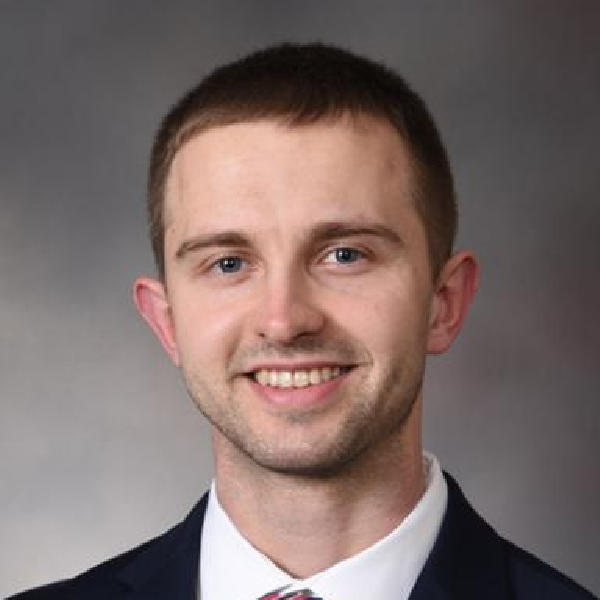
From Dues to Impact: The Operational Power of Membership
Presenter(s) Dr. Dalton Gifford, DMSc, PA-C, CPAAPA, is a practicing ICU physician assistant with the Department of Veterans Affairs in Lexington, Kentucky, and has clinical experience in the MICU and interventional radiology. A longtime KAPA volunteer, he has served as Western Region Director, Vice President, Membership Chair, and currently president-elect.
Session Overview State PA organizations support the profession through work that extends beyond conferences and member benefits, including legislative advocacy, regulatory engagement, and professional representation. Using KAPA as a framework, this session examines how individual membership and organizational infrastructure influence advocacy capacity, professional representation, grassroots engagement, and long-term advancement. Attendees will explore how membership supports activities such as legislative monitoring, lobbying, leadership development, and rapid responses to professional threats, including the often-unseen prevention of restrictive policies or practice barriers. Participants will leave with practical strategies for communicating the impact of advocacy, increasing engagement, and strengthening participation in their own state PA organizations.
4:00 PM
Bias Beware: Documentation Pitfalls
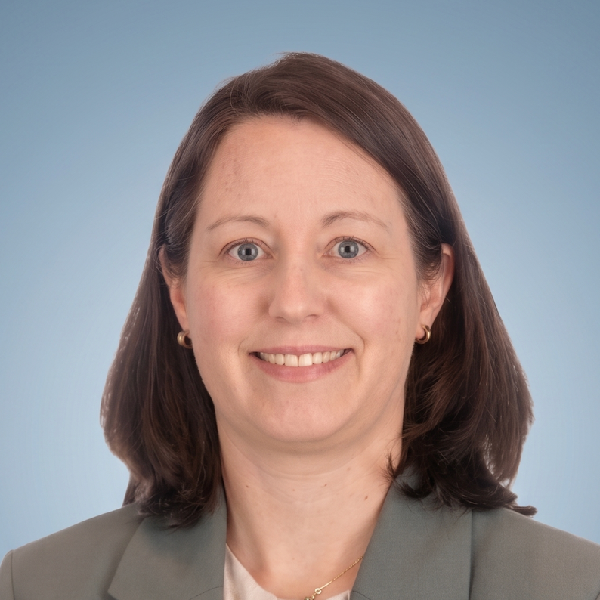
Presenter(s) Deanna Najera, PA-C, DFAAPA, FCPP, divides her clinical practice between an emergency department and a county health department while also supporting an outpatient mental health agency. She has held leadership positions at the county, state, and national levels and is a frequent conference speaker on a variety of clinical and professional topics.
Session Overview Documentation choices can influence how patients are perceived and may have implications for patient safety, communication, and care. Using brief clinical case examples, this session examines common documentation pitfalls, including language surrounding treatment adherence, symptom denial, and the potential impact of billing-related terminology. Attendees will explore best practices for recognizing and avoiding documentation bias and review evidence regarding how specific words and phrases can influence patient care. Participants will leave with practical, actionable strategies they can incorporate into their documentation during their next clinical shift.
October 16 - Day Two, Track 2
8:00 – 10:00 AM
Postgraduate Opportunities- Q&A Panel (THIS SESSION NOT AVAILABLE FOR CME)
Presenters from University of Kentucky, Norton Healthcare/Sullivan University, and the University of Lynchburg will discuss postgraduate opportunities for PAs. This will include information on residencies, fellowships, and postgraduate education. There will be dedicated time also for students/attendees to ask questions of the presenters.
10:00 AM – 12:00 PM (Both Tracks Combined)
See Above- Keynote and KAPA Annual Membership Meeting

1:00 PM
PA Professional Practice in the 21st Century
Presenter(s) Dr. Darcie Larimore-Arenas, PA-C, EdD, MSPAS, MPH, DFAAPA, brings extensive clinical and educational experience and contributes to the PA profession through the AAPA House of Delegates, Aquifer Clinical Excellence, and the nccPA Health Foundation, where she leads the Professional Practice Workgroup.
Session Overview Professional practice fundamentals help PAs protect their credentials, meet licensure and professional standards, and provide high-quality care in an evolving healthcare environment. This session reviews core elements of professional practice, including definitions, licensure requirements, professional standards, collaboration, communication, interdisciplinary teamwork, and patient diversity. Attendees will also examine the impact of emerging technologies on PA practice and consider strategies for navigating change while maintaining professional excellence. Participants will leave with practical knowledge and resources they can apply to their professional practice.

2:00 PM
Breaking the Barrier: The PA’s Role and Mental Health
Presenter(s) Dr. Eunice Goetz, DMS, MPH, PA-C, is an Assistant Professor at the Emory University PA Program and serves on the nccPA Health Foundation Board of Directors. She brings 20 years of clinical experience and four years of PA education experience focused on preparing clinicians to address mental health and substance use disorder needs.
Session Overview Untreated and undertreated mental illness remains a significant component of overall health, while demand for mental health services continues to outpace available access and workforce capacity. This session explores how PAs can use their generalist clinical knowledge, prescribing authority, and ongoing professional development to screen, manage, coordinate, and refer patients with mental health and substance use disorder needs. Attendees will review readily available screening tools and practical strategies for becoming resource-ready within their practice settings. Participants will leave with actionable approaches for integrating mental health care into everyday practice and helping address gaps in access.
3:00 PM
Beyond the Basics: An Introduction to Broadly Neutralizing Antibodies (bnAbs) as a New Frontier in HIV Prevention
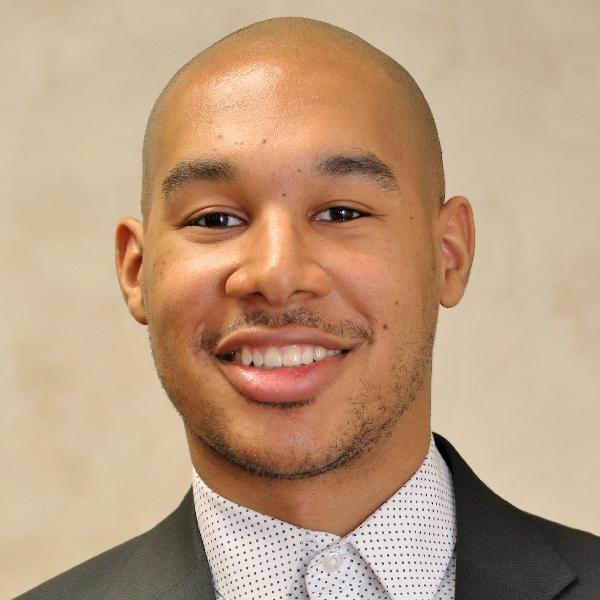
Presenter(s) Louis Shackelford, MPH, is Director of External Relations at the HIV Vaccine Trials Network at Fred Hutchinson Cancer Center. He leads external partner engagement, public communications, community partnerships, and research awareness initiatives related to domestic and global HIV vaccine clinical trials.
Session Overview Although HIV prevention has advanced substantially, gaps in coverage, adherence, and access remain, creating a need for additional prevention strategies. This session introduces broadly neutralizing antibodies (bnAbs), explaining what they are, how they work, and how they fit within the broader HIV prevention landscape. Attendees will review findings from the Antibody Mediated Prevention studies, consider why combinations of bnAbs may be needed, and compare passive immunization with active immunization approaches such as vaccines. Participants will leave with a working understanding of the bnAb pipeline, current research stage, safety considerations, and practical language for discussing this emerging prevention option with patients.
4:00 PM
PA Advocacy, Leadership, and Responsibility
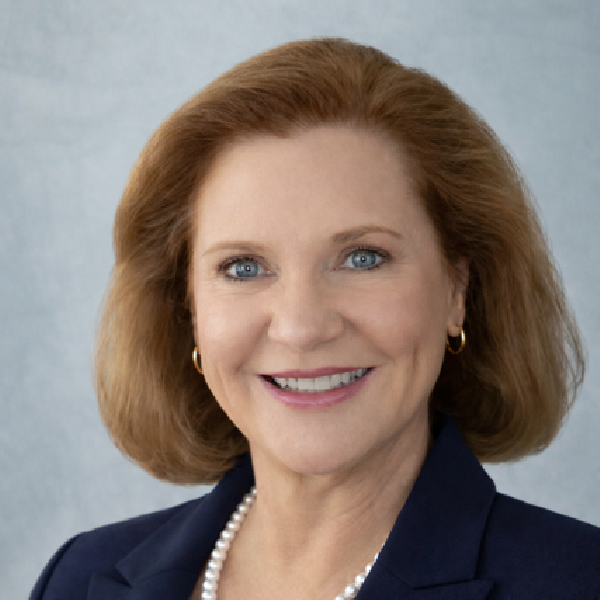
Presenter(s) Dr. Kris Pyles-Sweet, DMSc, PA-C, is a nationally recognized physician associate leader, entrepreneur, and advocate with more than two decades of clinical experience across geriatrics, internal medicine, endocrinology, dermatology, rural health, and home-based primary care. She has held multiple national leadership roles, including Director-at-Large and Secretary-Treasurer of the American Academy of Physician Associates and trustee of the PA Foundation, and has contributed to national advocacy, education, professional leadership, publications, and mentorship.
Session Overview Physician associates are positioned to contribute not only to patient care but also to the systems, policies, and professional organizations that shape healthcare delivery. This session examines the relationship among advocacy, leadership, and professional responsibility through real-world experiences in governance, legislative engagement, and national PA organizational leadership. Attendees will explore the advocacy landscape affecting PA practice, including PA modernization, Optimal Team Practice, and scope-of-practice modernization, while considering ways to move from passive membership to active stewardship of the profession. Participants will leave with actionable strategies for legislative engagement, involvement in their state academy, participation in AAPA governance, and mentorship of colleagues and future PAs.